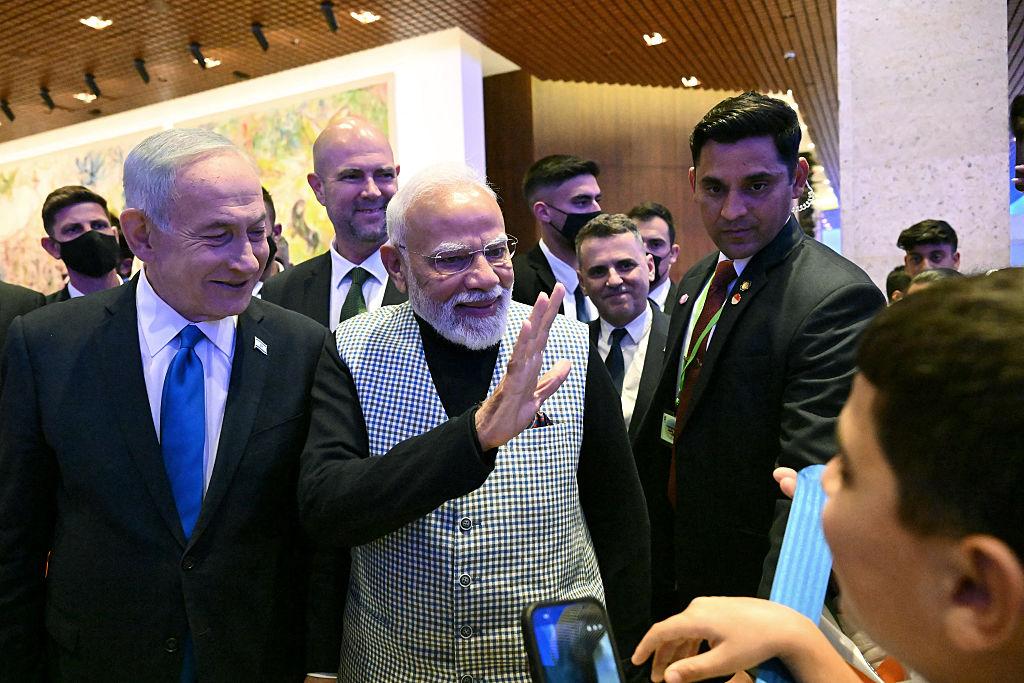
From 25–26 February 2026, Indian Prime Minister Narendra Modi undertook a two-day state visit to Israel at the invitation of Israeli Prime Minister Benjamin Netanyahu — marking a significant moment in bilateral relations between the two democracies.
Clear, contextual explanations of Indian politics, policies, and institutions — focused on understanding rather than opinion.
From 25–26 February 2026, Indian Prime Minister Narendra Modi undertook a two-day state visit to Israel at the invitation of Israeli Prime Minister Benjamin Netanyahu — marking a significant moment in bilateral relations between the two democracies.
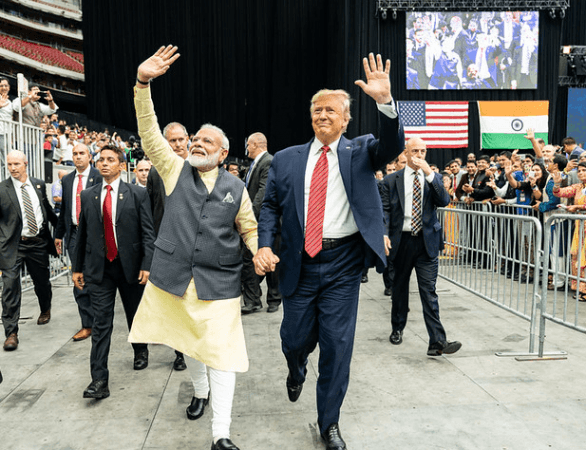
President Donald Trump and Prime Minister Narendra Modi once embodied the kind of leader-to-leader chemistry that reshapes alliances. From massive diaspora rallies to mutual praise during crises, their “bromance” propelled US-India ties to new heights between 2017 and 2020. Yet by early 2026, that warmth had curdled into tariffs, public sniping, and a trade war that’s left both nations scrambling for footing. What began as a personal triumph for strategic partnership devolved into a cautionary tale of ego, economics, and geopolitics clashing head-on.

A Country Defined by Its Age
India is often described as a young nation, a phrase repeated so frequently that it has almost lost its meaning. Yet behind this description lies a rare and time-bound economic reality.
More than half of India’s population is of working age. Every year, millions of young people step out of classrooms and into the labour market, carrying with them expectations of stability, dignity, and upward mobility. Economists refer to this phase as a demographic dividend — a period when a country has a higher proportion of productive workers than dependents.
History shows that such moments can accelerate growth, strengthen institutions, and lift large populations into the middle class. But history also shows something else: demographic advantages do not convert themselves into prosperity. They require deliberate economic choices.
(more…)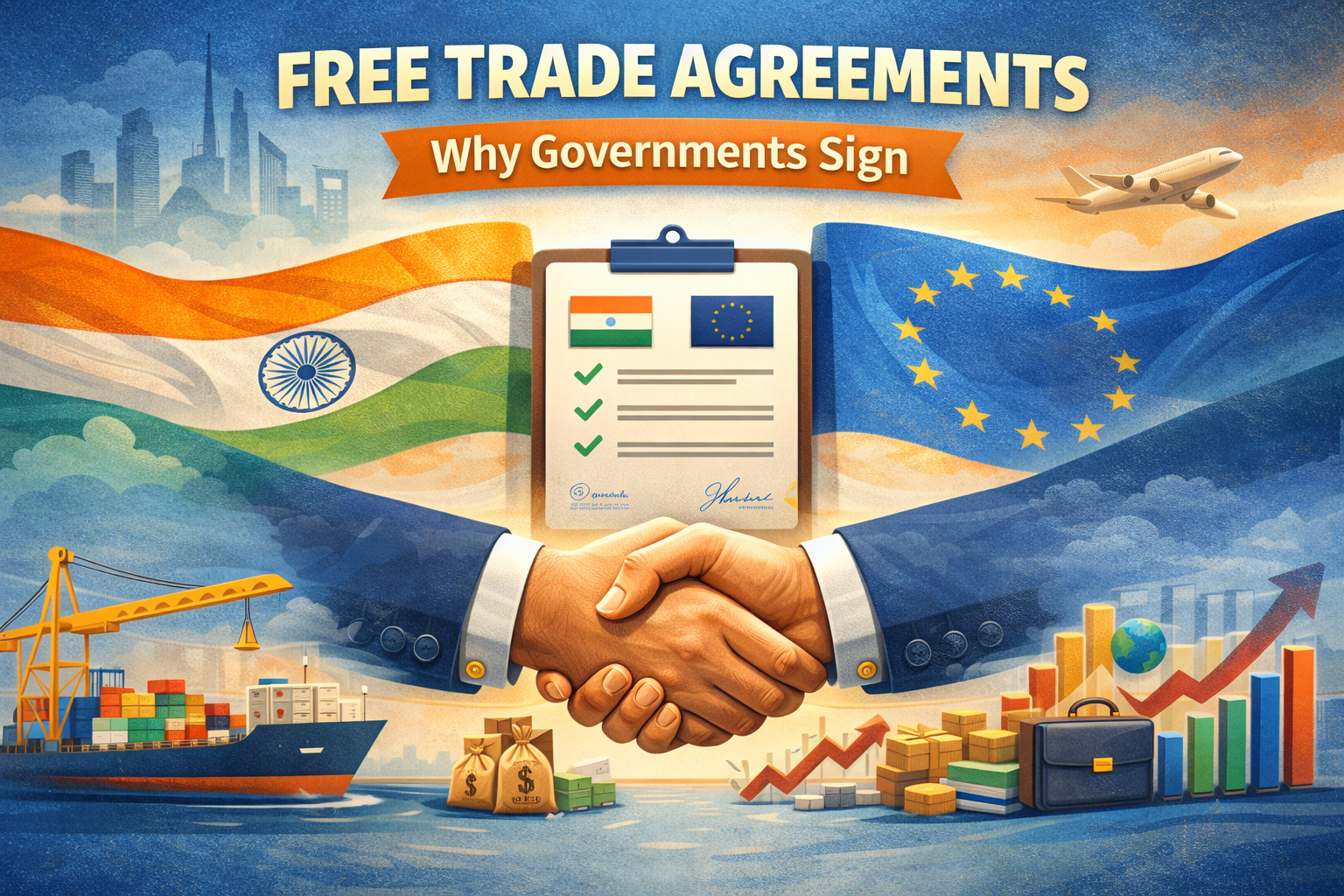
When countries announce new Free Trade Agreements (FTAs), the news often sounds technical and distant from everyday life. Terms like tariffs, market access, and trade negotiations can feel abstract. However, governments sign FTAs because these agreements play a direct role in shaping economic growth, employment, prices, and a country’s position in the global economy.
To understand modern economic policy, it is important to know why governments invest years negotiating free trade agreements and what they hope to achieve through them.
(more…)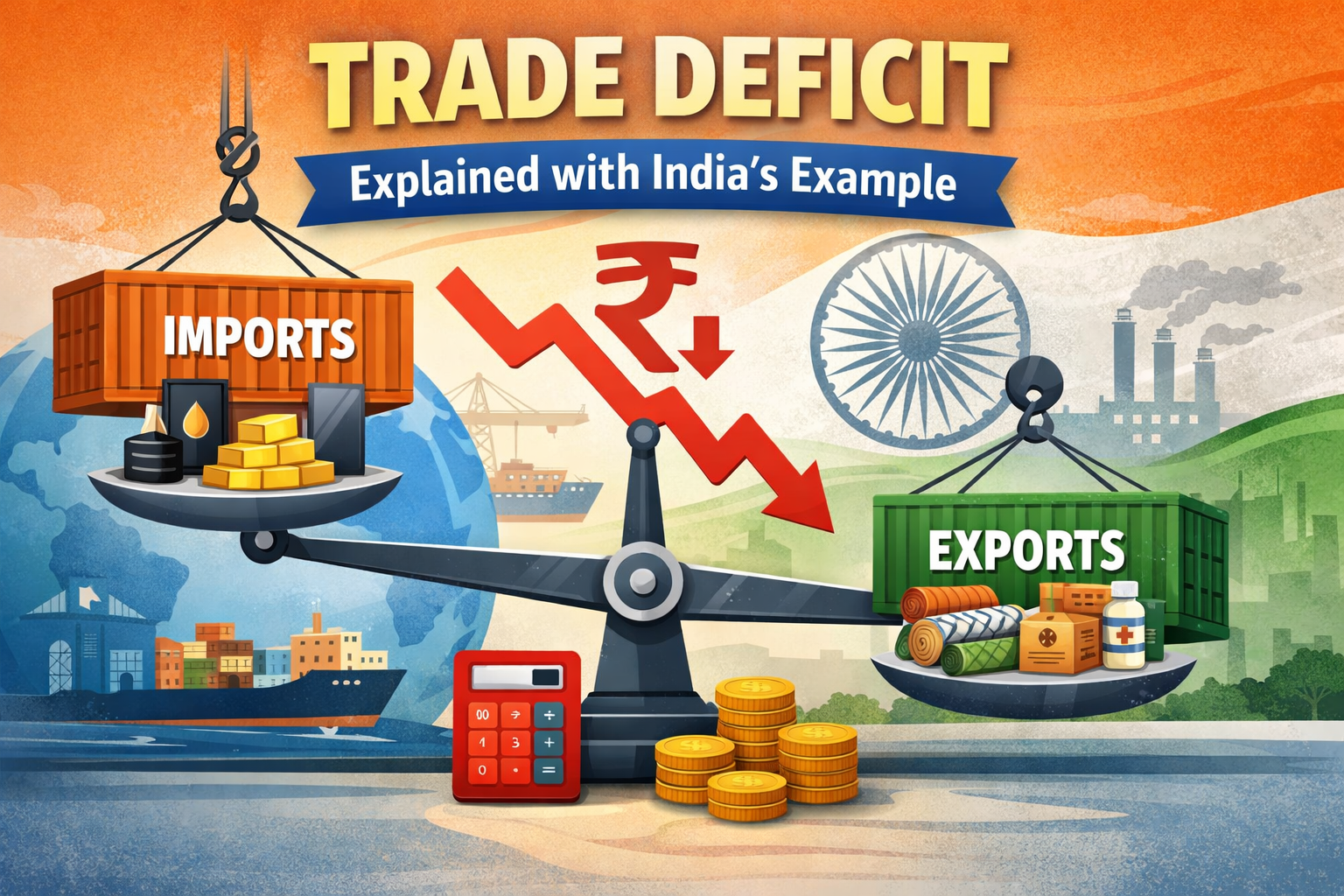
Economic terms often appear in news headlines, budget discussions, and policy debates, but they are rarely explained in a way that feels relatable. One such term is trade deficit. While it may sound technical, a trade deficit has real consequences for a country’s economy and, indirectly, for the daily lives of its citizens.
To understand issues like currency movement, import prices, government policy decisions, and trade agreements, it is important to first understand what a trade deficit is and how it applies to India.
(more…)