From 25–26 February 2026, Indian Prime Minister Narendra Modi undertook a two-day state visit to Israel at the invitation of Israeli Prime Minister Benjamin Netanyahu — marking a significant moment in bilateral relations between the two democracies.
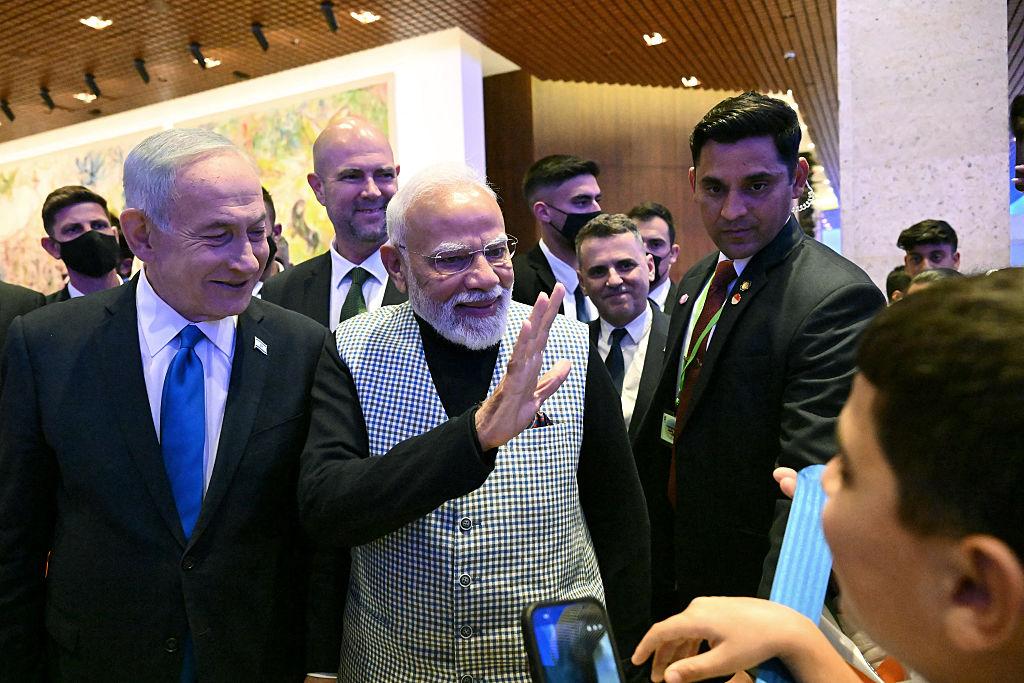
From 25–26 February 2026, Indian Prime Minister Narendra Modi undertook a two-day state visit to Israel at the invitation of Israeli Prime Minister Benjamin Netanyahu — marking a significant moment in bilateral relations between the two democracies.
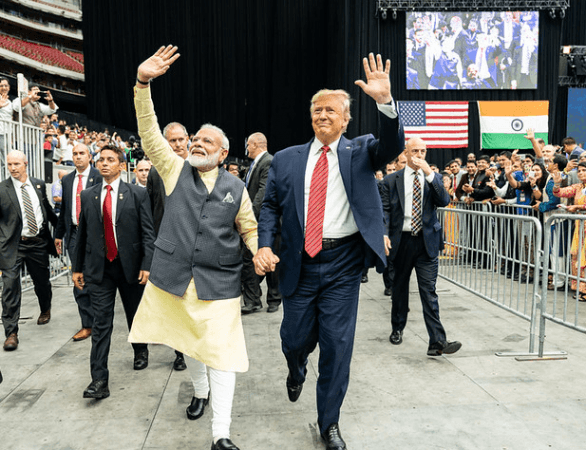
President Donald Trump and Prime Minister Narendra Modi once embodied the kind of leader-to-leader chemistry that reshapes alliances. From massive diaspora rallies to mutual praise during crises, their “bromance” propelled US-India ties to new heights between 2017 and 2020. Yet by early 2026, that warmth had curdled into tariffs, public sniping, and a trade war that’s left both nations scrambling for footing. What began as a personal triumph for strategic partnership devolved into a cautionary tale of ego, economics, and geopolitics clashing head-on.
India’s political landscape changed dramatically in 2014, when Narendra Modi became Prime Minister with the strongest mandate seen in three decades. The Bharatiya Janata Party (BJP) secured an outright majority in Parliament — something no single party had achieved since 1984.
Modi’s ascent, however, was not sudden. It was the outcome of a long political journey, strategic positioning, and a transformation in how Indian voters evaluated leadership. To understand modern Indian politics, one must understand how Modi evolved from a regional leader into the most dominant national figure of his era.
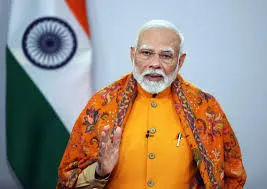
India rarely dominates the global news cycle.
When it does, it is often during moments of disruption — an election, a border incident, or a high-profile diplomatic summit. In the long stretches between headlines, however, India continues to shape global politics in ways that are quieter, slower, and more structural than dramatic.
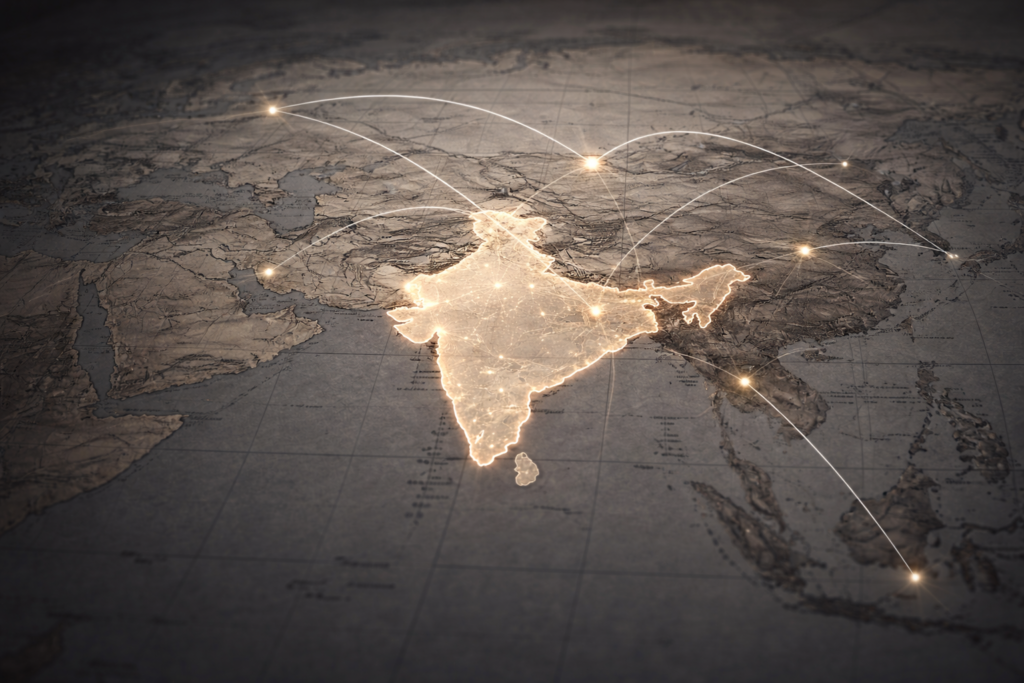
For much of the world, India is still understood primarily as a regional power with global ambitions. Increasingly, it functions as something else: a country whose internal choices intersect with global outcomes, whether or not it seeks attention for them.
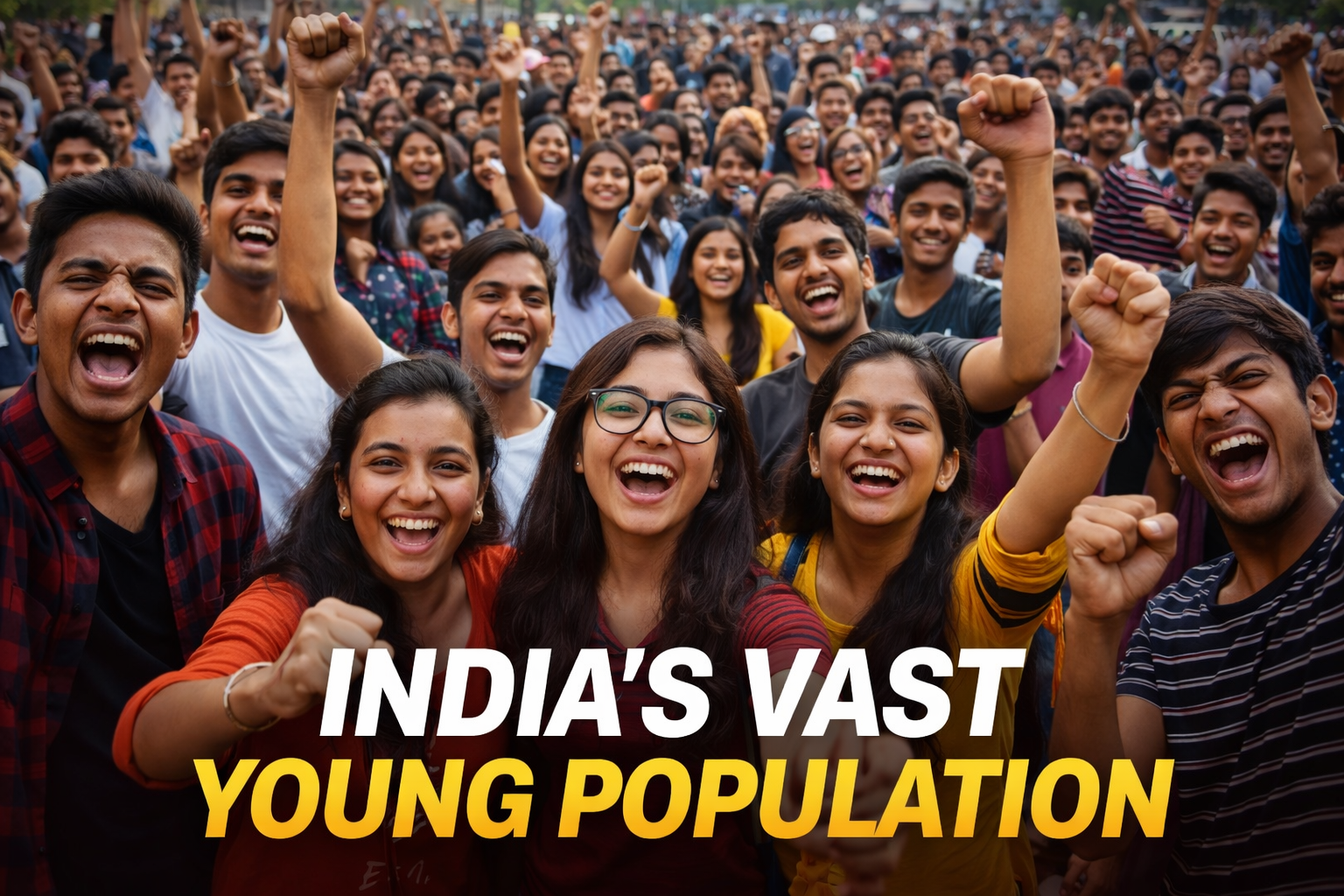
A Country Defined by Its Age
India is often described as a young nation, a phrase repeated so frequently that it has almost lost its meaning. Yet behind this description lies a rare and time-bound economic reality.
More than half of India’s population is of working age. Every year, millions of young people step out of classrooms and into the labour market, carrying with them expectations of stability, dignity, and upward mobility. Economists refer to this phase as a demographic dividend — a period when a country has a higher proportion of productive workers than dependents.
History shows that such moments can accelerate growth, strengthen institutions, and lift large populations into the middle class. But history also shows something else: demographic advantages do not convert themselves into prosperity. They require deliberate economic choices.
(more…)