From 25–26 February 2026, Indian Prime Minister Narendra Modi undertook a two-day state visit to Israel at the invitation of Israeli Prime Minister Benjamin Netanyahu — marking a significant moment in bilateral relations between the two democracies.
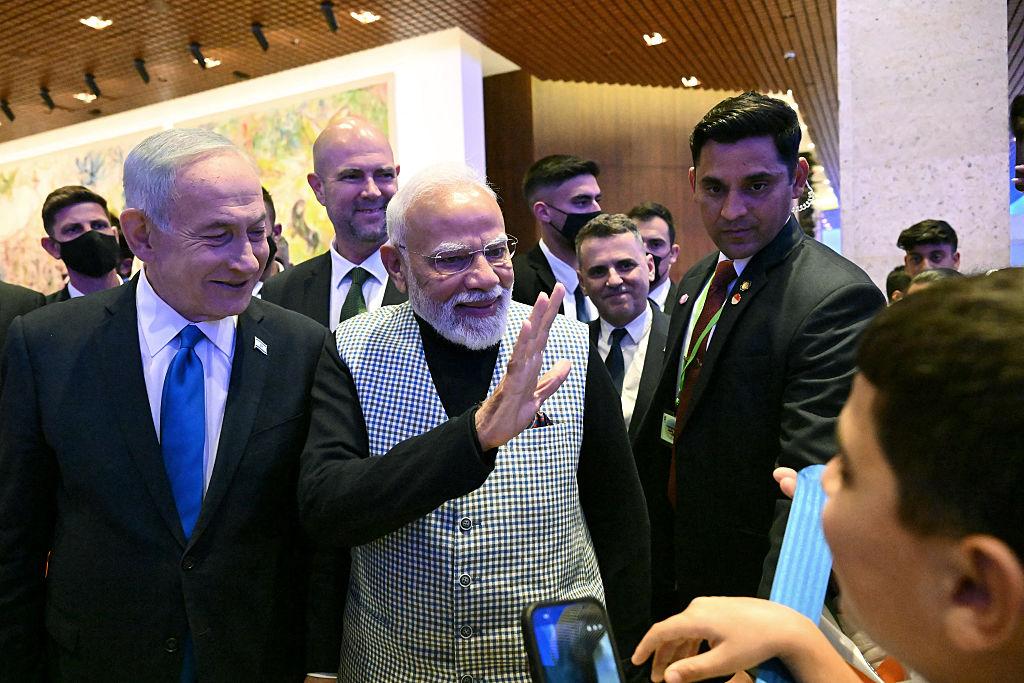
Why This Visit Matters
This was Modi’s second official state visit to Israel — the first since his historic 2017 trip — and came at a geopolitically contentious moment, in the midst of regional tensions, a challenging conflict in Gaza, and evolving alliances across West Asia.
Key Objectives Included:
- Deepening strategic partnership
- Expanding cooperation in defence, technology, and trade
- Advancing discussions on a Free Trade Agreement
- Reinforcing people-to-people and parliamentary ties
- Addressing broader regional security dynamics
Agenda Highlights
1. Strengthening Strategic Ties
During intense bilateral talks, India and Israel agreed to elevate their relationship to a “special strategic partnership”, signing multiple MoUs across innovation, agriculture, and security sectors.
This shift reflects the long-standing and expanding cooperation between the two democracies — especially in defence procurement and technology sharing — and positions the partnership as a cornerstone of India’s West Asia engagement.
2. Defence, Technology & Innovation
Modi and Netanyahu discussed deeper collaboration in areas such as:
- Defence production
- Critical and emerging technologies (AI, cybersecurity)
- Space and high-tech research
Their focus on emerging technologies signals a shift towards joint future-oriented projects.
3. Historic Address to the Knesset
A key highlight was Modi’s address to the Israeli Parliament (Knesset) — a rare diplomatic gesture — where he spoke about shared democratic values and expressed support for efforts toward peace and stability in the region. In recognition of his role in strengthening ties, Modi was awarded the newly established Medal of the Knesset, an Israeli state honour presented for significant contributions to Israel and its people.
4. Visit to Holocaust Memorial & Cultural Exchange
Modi also visited Yad Vashem, Israel’s Holocaust memorial, highlighting the historical bonds of memory and shared remembrance.
Beyond politics, the visit included softer cultural moments — such as Modi’s interaction with the cast of the Israeli series Fauda and engagements celebrating Indian heritage within Israel’s diverse communities.
Diplomatic Nuance: Peace, Criticism & Context
India’s Stance on Regional Conflict
While Modi reiterated India’s support for peace and stability in the region and commended diplomatic efforts aimed at durable solutions, his visit was noted for not directly addressing the ongoing Gaza conflict — a point of international scrutiny.
This diplomatic balancing act — supporting Israel’s security while advocating peace — reflects India’s broader approach to West Asia relations. Analysts say this may signal an evolving policy that tries to dehyphenate India’s ties from historic alignments.
Political Voices & Reactions
The visit also stirred debate domestically:
- Some leaders lauded the visit as a strategic milestone.
- Others expressed concern that diplomatic warmth could be perceived as prioritising one side even amidst humanitarian crises.
Internationally, the visit was seen as a signal of India’s deepening focus on defence, technology collaboration, and global geopolitical alignment — particularly as tensions involving Iran, the US, and regional security frameworks continue to evolve.
What This Means for India–Israel Relations
While ties between India and Israel have steadily expanded since diplomatic recognition in 1992, this visit marked a qualitative elevation in cooperation. From economic agendas to robust technology partnerships and strategic defence dialogues, both nations appear intent on deepening institutional links.
At the same time, the visit underscores the complex diplomatic terrain in which India operates, balancing geopolitical interests with global perceptions and its own longstanding foreign policy principles.
Takeaway
PM Modi’s 2026 visit to Israel was more than ceremonial — it was a deliberate diplomatic push aimed at securing India’s strategic interests in technology, defence, commerce, and global partnerships, all while navigating complex regional challenges.
Whether these strengthened ties will reshape India’s West Asia policy in the long term remains a subject of debate — but the India–Israel partnership is now unmistakably entering a new phase.
Leave a Reply